When a haboob sweeps across the Valley, it’s impossible to miss. These towering walls of dust roll over Queen Creek, Phoenix, and Scottsdale, turning the sky orange and dropping visibility to near zero in minutes.
While most Arizona homeowners know to pull off the road and close their windows during a storm, few realize what happens after the dust settles.
Microscopic particles from Arizona haboobs don’t just stay outside. They infiltrate your home, degrade your indoor air quality, and strain your cooling system. Understanding how desert dust impacts your home—and taking proactive steps to combat it—keeps your indoor air fresh, clean, and safe year-round.
What Happens to Your Indoor Air Quality During a Dust Storm?
Arizona dust storms carry far more than just coarse desert sand. As wind sweeps across miles of dry basin floors and agricultural fields, it picks up a complex cocktail of airborne pollutants:
- Fine Particulate Matter: Dust storms break soil down into microscopic particles small enough to pass through window seals, door sweeps, and standard fiberglass furnace filters.
- Spores and Soil Bacteria: Desert topsoil harbors mold spores and soil-dwelling organisms (including Coccidioides, the fungus responsible for Valley Fever).
- Pollens and Agricultural Runoff: High winds stir up dormant plant allergens, pesticides, and heavy metals from agricultural areas surrounding Queen Creek and San Tan Valley.
Even with your doors and windows shut tight, air leaks around framing and ductwork draw these microscopic contaminants directly into your living space whenever your air conditioner runs.
3 Ways Desert Dust Damages Your HVAC System
Your air conditioner is your home’s primary defense against dust. However, severe dust storms put immense pressure on cooling equipment:
- Clogged Air Filters: Dust storm debris can choke a standard air filter in a single afternoon. A clogged filter starves your HVAC system of airflow, causing it to run longer, consume more energy, and potentially freeze the evaporator coil.
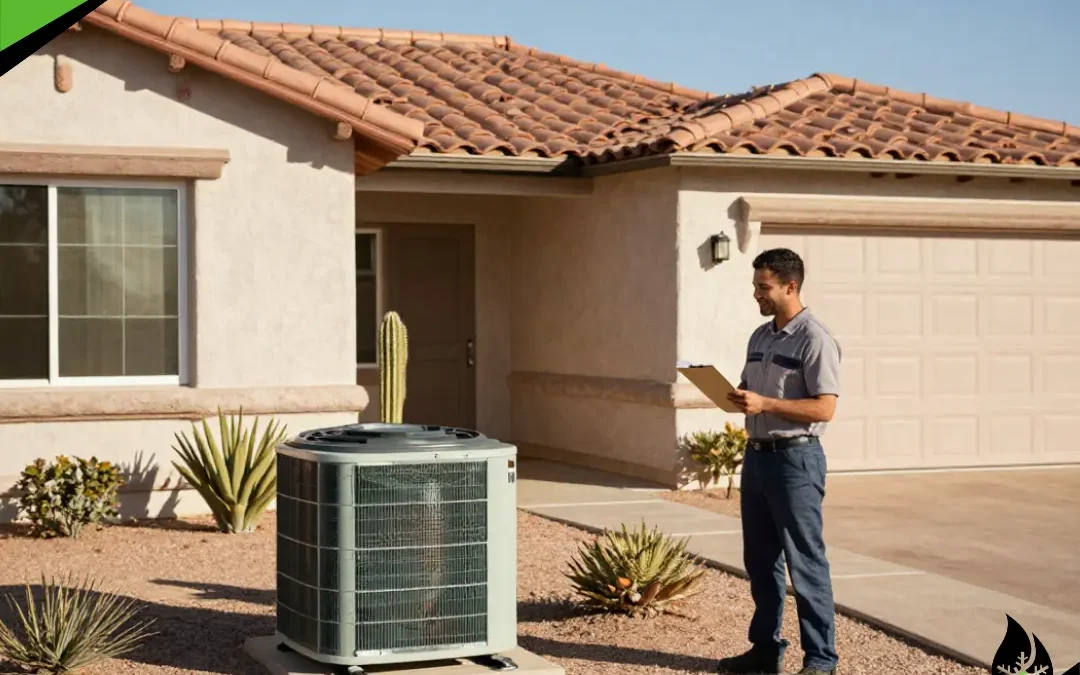
- Dirty Condenser Coils: Outdoor AC units (condensers) pull massive volumes of air through their aluminum coils to release heat. Haboobs coat these coils in fine silt, drastically reducing cooling efficiency and forcing the compressor to overheat.
- Dust Accumulation in Ductwork: Once fine dust bypasses basic air filters, it settles inside your supply and return ducts. Then, each time the blower turns on, it recirculates those trapped particles throughout your bedrooms and living areas.
How to Protect Your Home’s Indoor Air Quality From Desert Dust Storms
To keep desert dust out of your living space and preserve your indoor air quality, follow these essential maintenance steps before and after storm season:
- Upgrade Your Air Filters: Swap out basic fiberglass filters for high-efficiency filters which capture significantly smaller dust particles and allergens without restricting airflow.
- Inspect Weather Stripping: Check for gaps along door frames and exterior windows. Replacing worn door sweeps prevents windblown dust from creeping underneath.
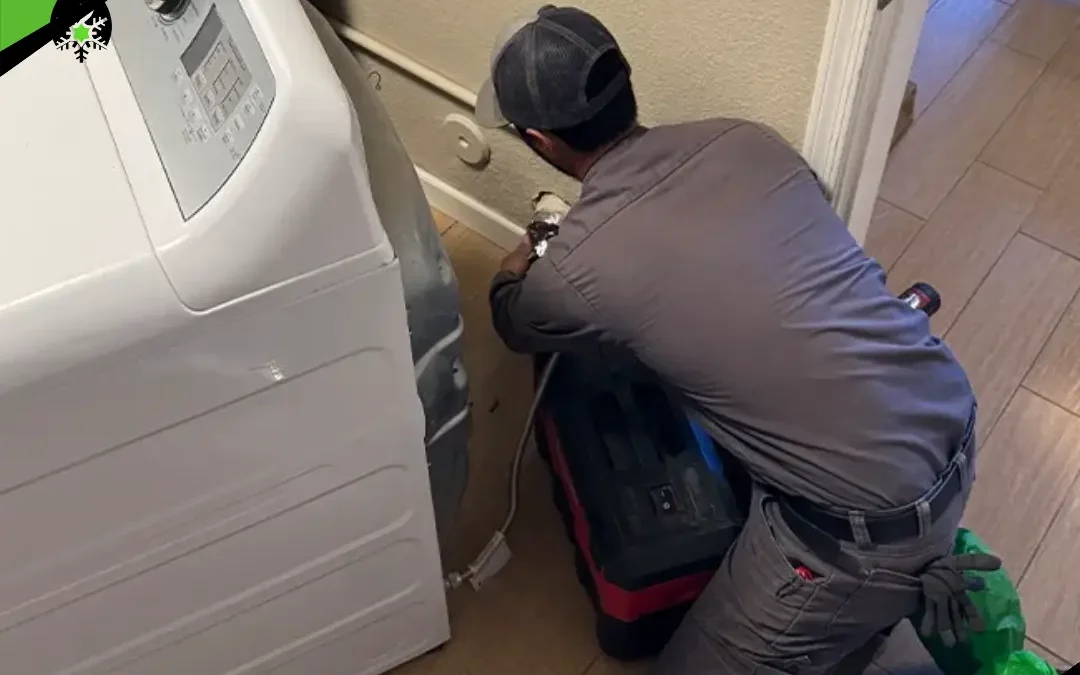
- Schedule Pre- and Post-Habooob HVAC Maintenance: Have a technician clear your outdoor condenser coils and inspect system static pressure to ensure dust hasn’t compromised performance.
- Keep the Fan Set to “Auto”: Running your HVAC fan continuously during a dust storm can pull raw outdoor air through minor duct leaks in attic spaces. Set your thermostat fan to AUTO so it only runs when actively cooling.
Whole-Home Indoor Air Quality Solutions with Team AIR-zona
Standard air filters only capture a fraction of what Arizona haboobs kick up. To achieve true indoor air protection, homeowners in Queen Creek, Phoenix, Scottsdale, and across the East Valley turn to dedicated indoor air quality (IAQ) upgrades.
At Team AIR-zona, we’re proud to offer tailored filtration and purification solutions designed specifically for desert conditions. Plus, with professional HVAC maintenance, routine tune-ups ensure outdoor coils are cleaned and indoor blower components remain dust-free. The result? Your HVAC system maintains maximum efficiency while promoting better indoor air quality and lowering monthly energy bills.
Don’t let desert dust storms compromise the air your family breathes. Whether you need a seasonal HVAC tune-up or a complete whole-home air purification upgrade, we are here to help.
Contact us today to schedule an indoor air quality consultation in Queen Creek, Phoenix, Ahwatukee, Scottsdale, Mesa, or anywhere else in our service area.